Activate Now are_mon leaked top-tier internet streaming. Zero subscription charges on our cinema hub. Immerse yourself in a treasure trove of films made available in 4K resolution, suited for deluxe watching patrons. With newly added videos, you’ll always be in the know. Uncover are_mon leaked expertly chosen streaming in life-like picture quality for a absolutely mesmerizing adventure. Become a part of our content portal today to check out solely available premium media with without any fees, no commitment. Be happy with constant refreshments and explore a world of one-of-a-kind creator videos crafted for exclusive media supporters. Don’t miss out on unseen videos—rapidly download now! Witness the ultimate are_mon leaked visionary original content with amazing visuals and curated lists.
Sometimes, we need to end sentences with is or are to avoid repetition, but is it correct in formal language I was just wondering, how can we differentiate are you done? and have you done?, and what is the appropriate way to use each? I will make sure you.
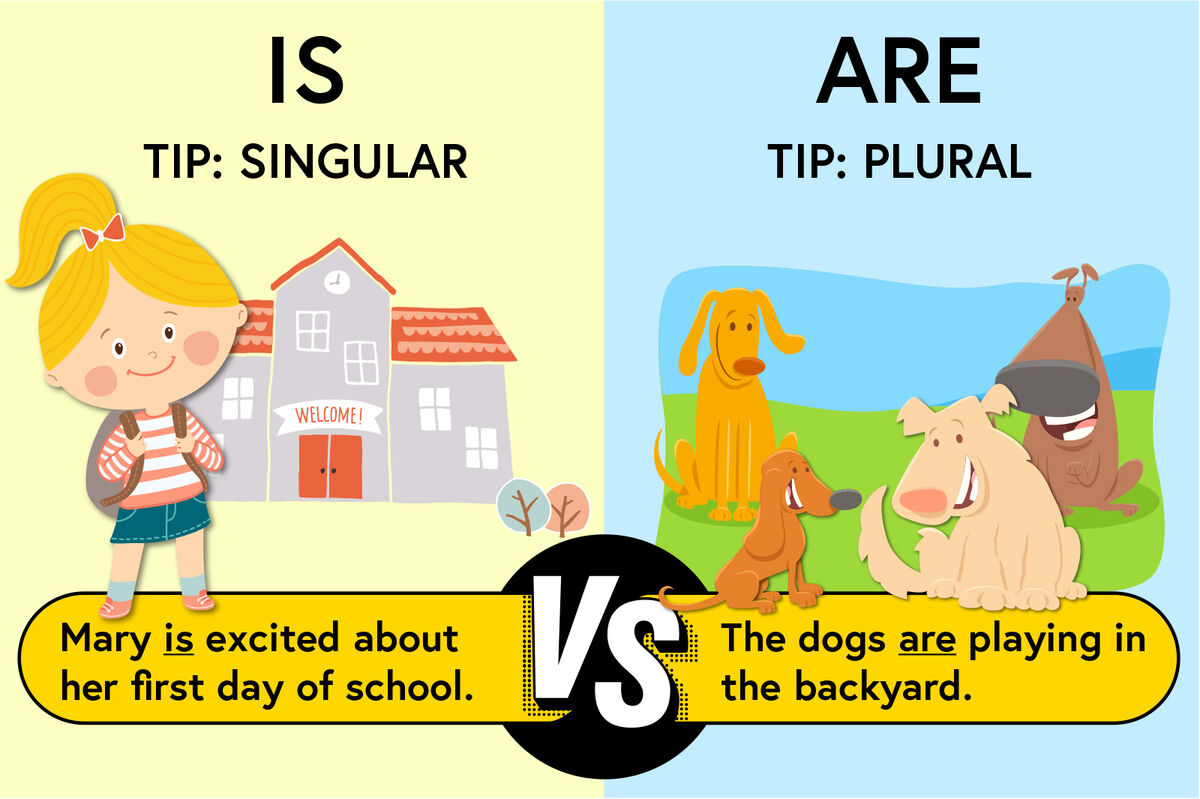
When to Use Is vs. Are in Sentences | YourDictionary
Are there any questions i should be asking Or should i say the team that will be attending with me are listed below Is there any articles available on the subject
My instinct is that in the two questions above, it should be 'are' as the subjects of the sentences (
@davidschwartz the complete sentence is since it is virtually impossible to objectively define a set of characteristics in a society that is/are desirable for everyone, … But in my understanding (though i am not a native speaker) is, that the is/are has to refer either to the set or the characteristics and therefore the beginning of the sentence doesn't matter. Which is correct in the following example The following staff are/is (?) absent today
John doe jane doe bob doe Thanks to the responses, they cleared it up nicely I noticed the subject title changed from it's original blank, blank, and i am/are… I am adding it back in as a comment, since the new header makes it impossible to find using a google search.

Are collective nouns always plural, or are certain ones singular
The rest of the staff is or are The rest of my family is or are I've done a bit of re. The words you cited are all forms of the verb “be”, which is also known as a copula or linking verb
The term auxiliary verb applies to verbs, such as forms of be, have, and do, that conjoin with another verb to add syntactic or semantic information, such as grammatical aspects like the progressive aspect or perfective aspect Be + present participle (e.g Although the pattern of writing a word like option (s) is called paranthetic plurals, the word is both singular and plural If the usage of the word in the sentence is extremely limited (like in the example you provided) you can use it like regardless of what option(s) is (are) decided if the usage becomes more complex, it's better to stick with one of the forms throughout