Activate Now miss impulse leaked prime internet streaming. Without subscription fees on our media source. Experience the magic of in a endless array of media displayed in unmatched quality, the best choice for discerning viewing supporters. With just-released media, you’ll always never miss a thing. Find miss impulse leaked themed streaming in gorgeous picture quality for a sensory delight. Enroll in our creator circle today to stream subscriber-only media with no payment needed, no strings attached. Get access to new content all the time and discover a universe of uncommon filmmaker media perfect for superior media enthusiasts. Don't pass up unseen videos—begin instant download! Enjoy the finest of miss impulse leaked bespoke user media with lifelike detail and chosen favorites.
The words ms., mrs., and miss are all titles used to address women formally (e.g., at the start of an email) Is often preferred, even for unmarried women. Which one you should use depends on the age
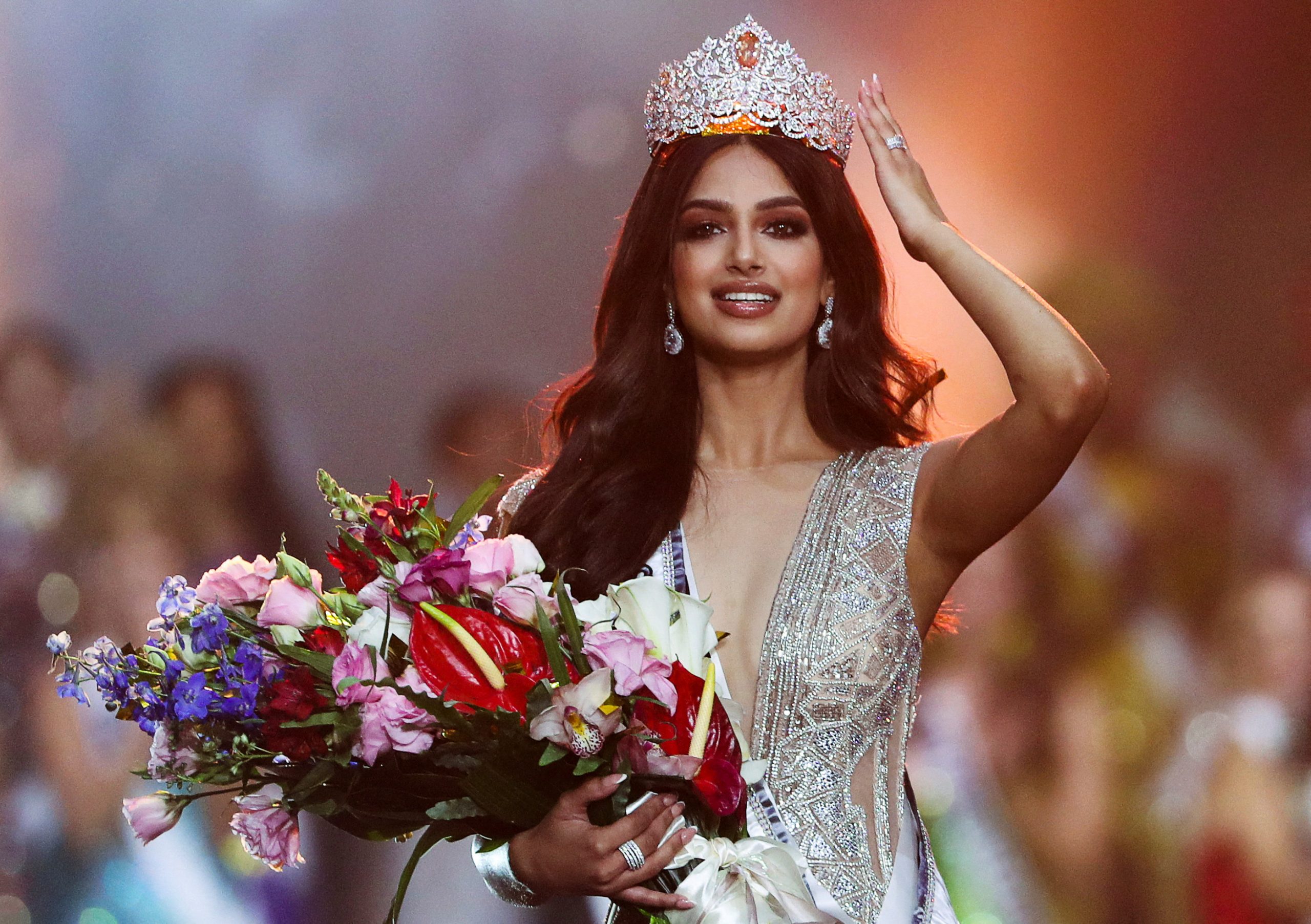
Miss USA's Miss Universe win marred by rigging allegations
Generally speaking, it is considered proper etiquette to use mrs However, its usage is declining, and ms To refer to married women, miss to refer to unmarried women and young girls, and ms
To refer to a woman of unknown marital status or when marital status is irrelevant.
What is the difference between miss, mrs., ms., and mx. Here’s the definitive answer, along with helpful examples, so you never again confuse these titles. The meaning of miss is to fail to hit, reach, or contact How to use miss in a sentence.
Several contestants walked out of a miss universe event this week when the pageant director berated miss mexico for not taking part in promotional activities. Miss is for an unmarried woman Is for a married woman There are nuances with each one
In the uk, using periods is less common.
Use “miss” when addressing a young girl or unmarried woman Use “ms.” when addressing a woman in a professional or neutral way, especially if you don’t know her marital status. Miss is traditionally used for unmarried women, especially younger women


