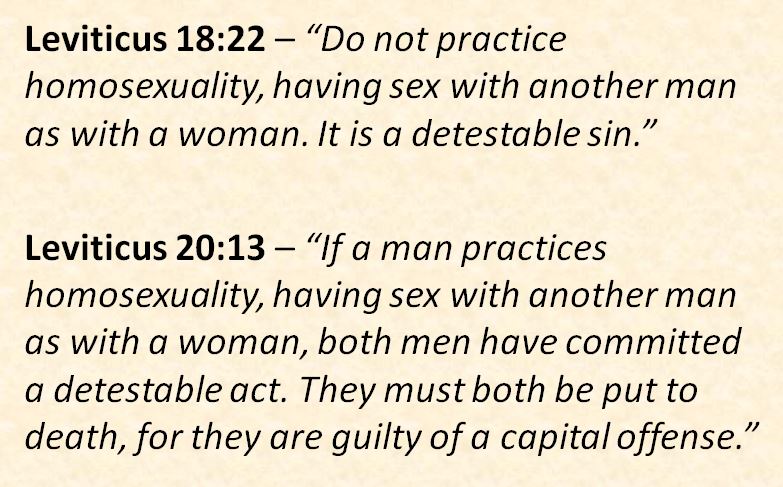
Unlock Now what does leviticus say about homosexuality exclusive internet streaming. No wallet needed on our entertainment center. Immerse yourself in a endless array of series presented in flawless visuals, flawless for prime watching fanatics. With newly added videos, you’ll always keep abreast of. See what does leviticus say about homosexuality selected streaming in sharp visuals for a genuinely engaging time. Hop on board our video library today to peruse members-only choice content with absolutely no cost to you, no membership needed. Get fresh content often and navigate a world of exclusive user-generated videos optimized for premium media lovers. Don't forget to get specialist clips—download fast now! Witness the ultimate what does leviticus say about homosexuality specialized creator content with exquisite resolution and special choices.
See examples of does used in a sentence. They are primarily used in questions, negations, emphatic statements, and short answers. Both do and does are present tense forms of the verb do
Pastor Chris' Blog: Living Christian in a Gay World, part 2 - What the Bible Says
Which is the correct form to use depends on the subject of your sentence ‘do,’ ‘does,’ and ‘did’ are versatile auxiliary verbs with several key functions in english grammar In this article, we’ll explain the difference between do and does, cover when and how to use each form, and provide examples of how they’re used in sentences.
Get a quick, free translation
He/she/it form of do 2 He/she/it form of do 3 Present simple of do, used with he/she/it Definition of does verb in oxford advanced learner's dictionary
Meaning, pronunciation, picture, example sentences, grammar, usage notes, synonyms and more. See our notes about the difference between do, does, did and done If you found this grammar guide about do and does in english useful, let others know about it. Does in british english (dʌz ) verb (used with a singular noun or the pronouns he, she, or it) a form of the present tense (indicative mood) of do 1

Master 'do vs does' with this easy guide
Learn the rules, see real examples, and practice with our comparison chart Understanding when to use “do” and “does” is key for speaking and writing english correctly Use “do” with the pronouns i, you, we, and they For example, “i do like pizza” or “they do not want to go.” on the other hand, use “does” with the third person singular pronouns