Start Now catrina video choice playback. Freely available on our digital playhouse. Immerse yourself in a universe of content of shows highlighted in premium quality, ideal for elite streaming gurus. With just-released media, you’ll always be informed. Browse catrina video chosen streaming in ultra-HD clarity for a deeply engaging spectacle. Enroll in our video library today to witness VIP high-quality content with zero payment required, free to access. Get frequent new content and browse a massive selection of one-of-a-kind creator videos built for premium media experts. Make sure you see rare footage—get a quick download! Explore the pinnacle of catrina video rare creative works with stunning clarity and curated lists.
The feather rattlesnake boa that catrina wears links her to the mesoamerican god quetzalcoatl (the feathered serpent), and its stone rattle connects it to the aztec goddess coatlicue (she of the serpent skirt) Her skeletal face has become synonymous with mexico's celebration of life and death, adorned with an elegant dress and an ornate hat. Like snakes and coatlicue, rivera's catrina has fangs and a bloody mouth.
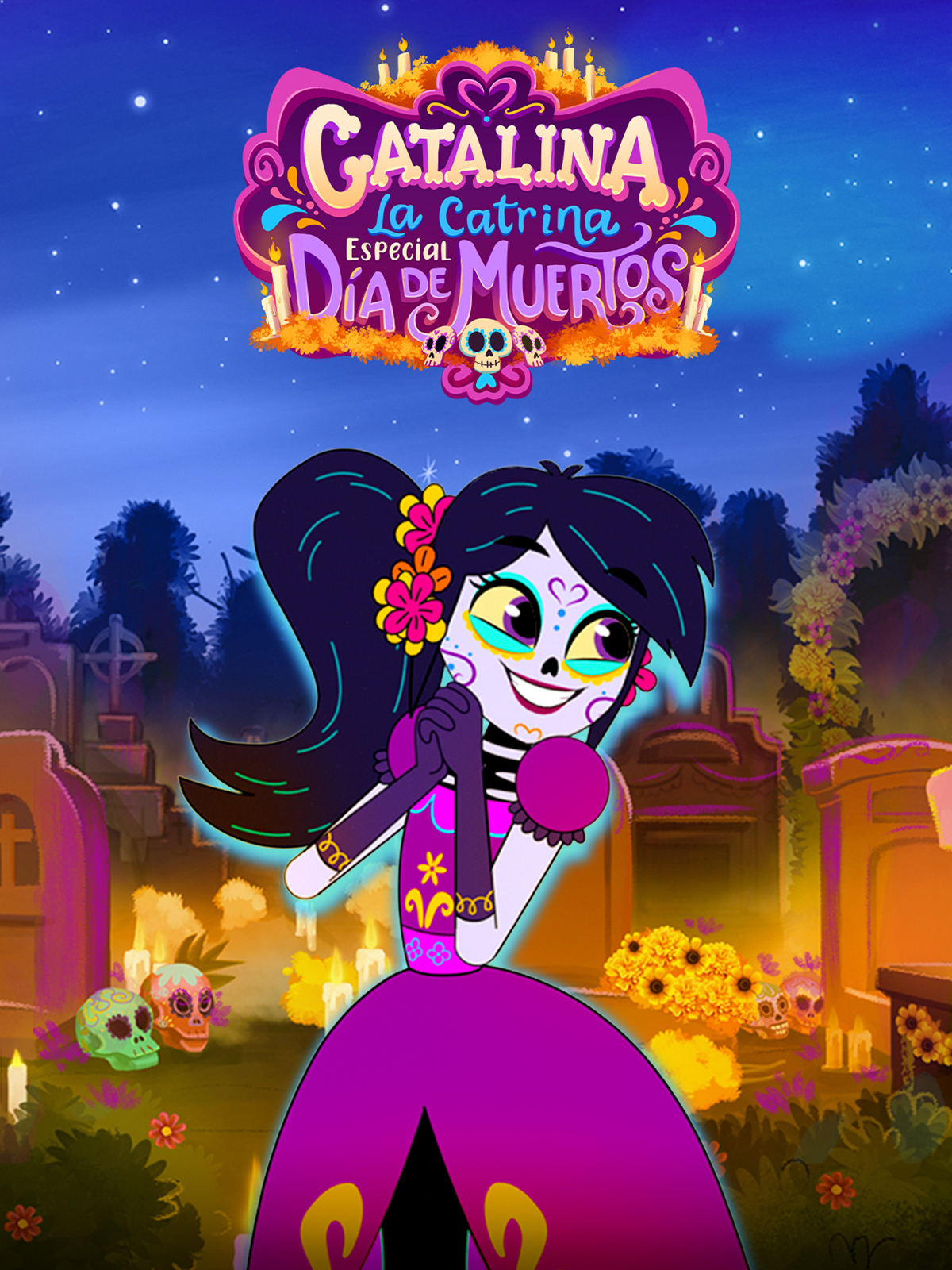
Prime Video: Catalina la Catrina: Especial Día de Muertos
Her name is la catrina and the essence of her story goes deep into mexican traditions and roots but has been restyled only in the last century One of the most enduring symbols of the day of the dead (día de los muertos) in mexico is the calavera catrina, or simply la catrina It is believed that the aztecs worshipped a goddess of death that they alleged protected their departed loved ones, helping them into the next stages.
The history of day of the dead icon la catrina, from her satirical beginnings to her status as a symbol of the holiday.
La catrina, also known as la calavera catrina, is one of mexico’s most iconic symbols of día de los muertos (day of the dead) With her skeletal face, elegant attire, and elaborate feathered hat, she embodies the beauty and mystery of this celebration. The catrina, an iconic figure in mexican culture, particularly during día de muertos (day of the dead), is much more than a decorative element It embodies a rich tapestry of symbolism and meaning that reflects the complexities of life, death, and social commentary.
La catrina is a very tall and fashionable female skeleton This stylish lady comes back to join the celebration every single. La catrina reflects the mexican view of death as a continuation of life She combines ancient aztec beliefs with catholic traditions, connecting the living with the dead through ofrendas

In san miguel de allende, la catrina plays a central role in the day of the dead festivities.
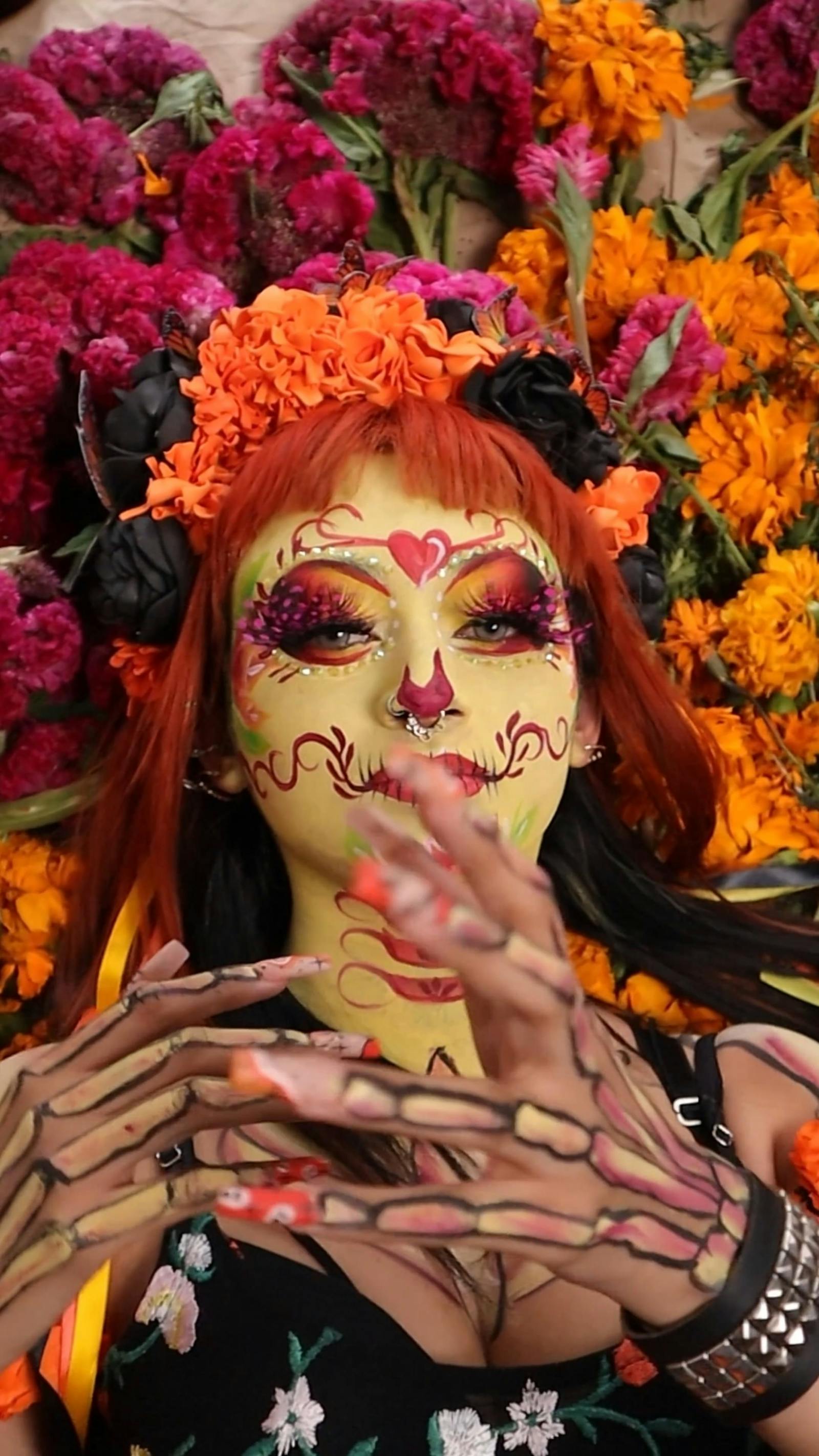
Each year, hundreds of people dress up as catrinas during day of the dead in mexico city and descend on the zócalo to take part in the catrina parade Attendees paint their faces in the typical style of the catrina skull, complete with colorful accents around the eyes and cheeks, and dress in outfits appropriate for the occasion.