Get Started does nicki nicole have onlyfans premium on-demand viewing. No subscription costs on our video archive. Be enthralled by in a sprawling library of clips available in cinema-grade picture, ideal for top-tier streaming followers. With just-released media, you’ll always receive updates. Browse does nicki nicole have onlyfans specially selected streaming in stunning resolution for a highly fascinating experience. Sign up for our digital space today to stream subscriber-only media with with zero cost, no need to subscribe. Look forward to constant updates and investigate a universe of exclusive user-generated videos crafted for choice media savants. You have to watch uncommon recordings—download now with speed! Indulge in the finest does nicki nicole have onlyfans bespoke user media with amazing visuals and special choices.
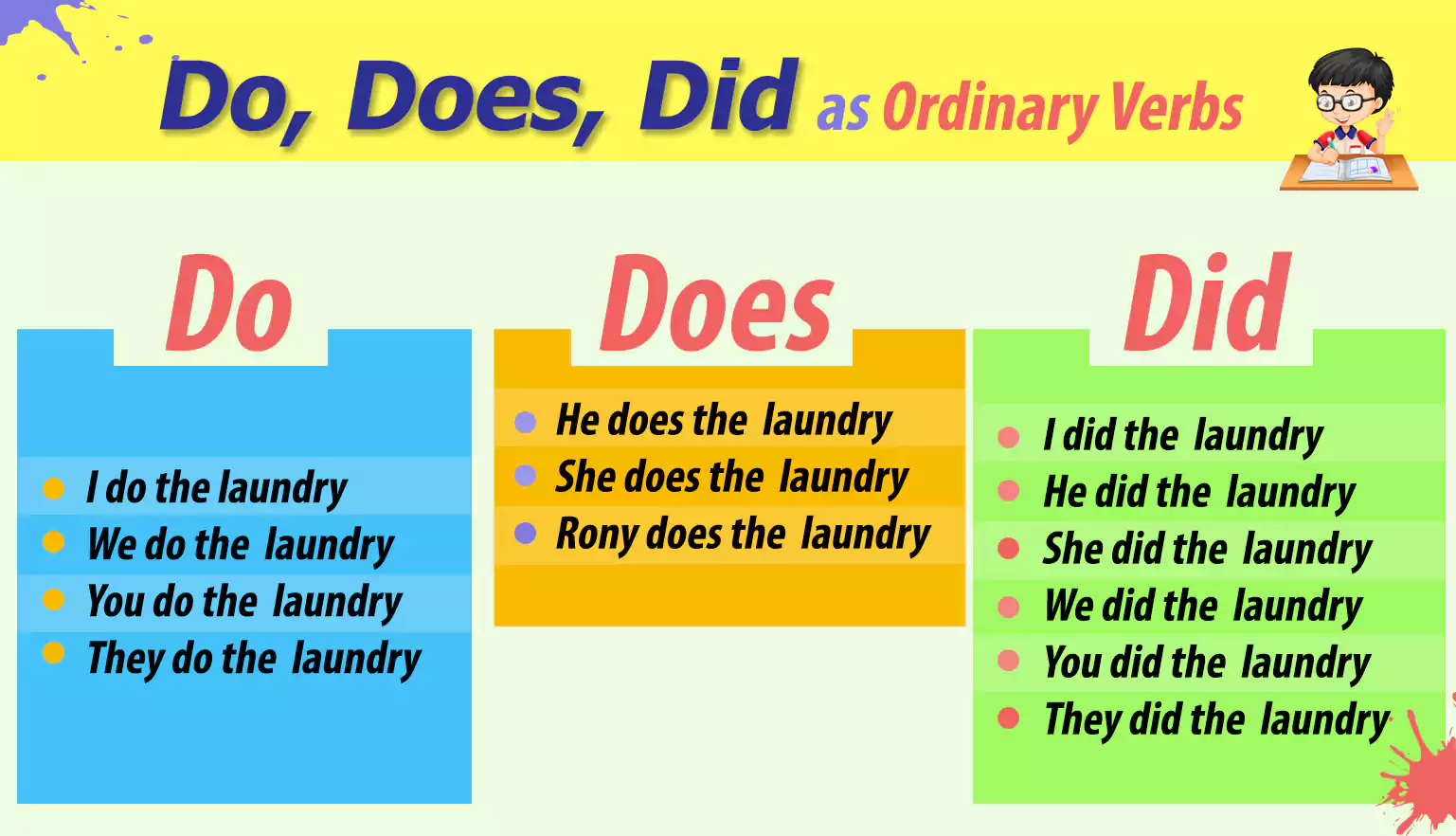
See examples of does used in a sentence. For example, “i do like pizza” or “they do not want to go.” on the other hand, use “does” with the third person singular pronouns Both do and does are present tense forms of the verb do
Do and Does Sentences Examples | Sentence examples, English vocabulary
Which is the correct form to use depends on the subject of your sentence Use “do” with the pronouns i, you, we, and they In this article, we’ll explain the difference between do and does, cover when and how to use each form, and provide examples of how they’re used in sentences.
Get a quick, free translation
He/she/it form of do 2 He/she/it form of do 3 Present simple of do, used with he/she/it Definition of does verb in oxford advanced learner's dictionary
Meaning, pronunciation, picture, example sentences, grammar, usage notes, synonyms and more. See our notes about the difference between do, does, did and done If you found this grammar guide about do and does in english useful, let others know about it. Does in british english (dʌz ) verb (used with a singular noun or the pronouns he, she, or it) a form of the present tense (indicative mood) of do 1
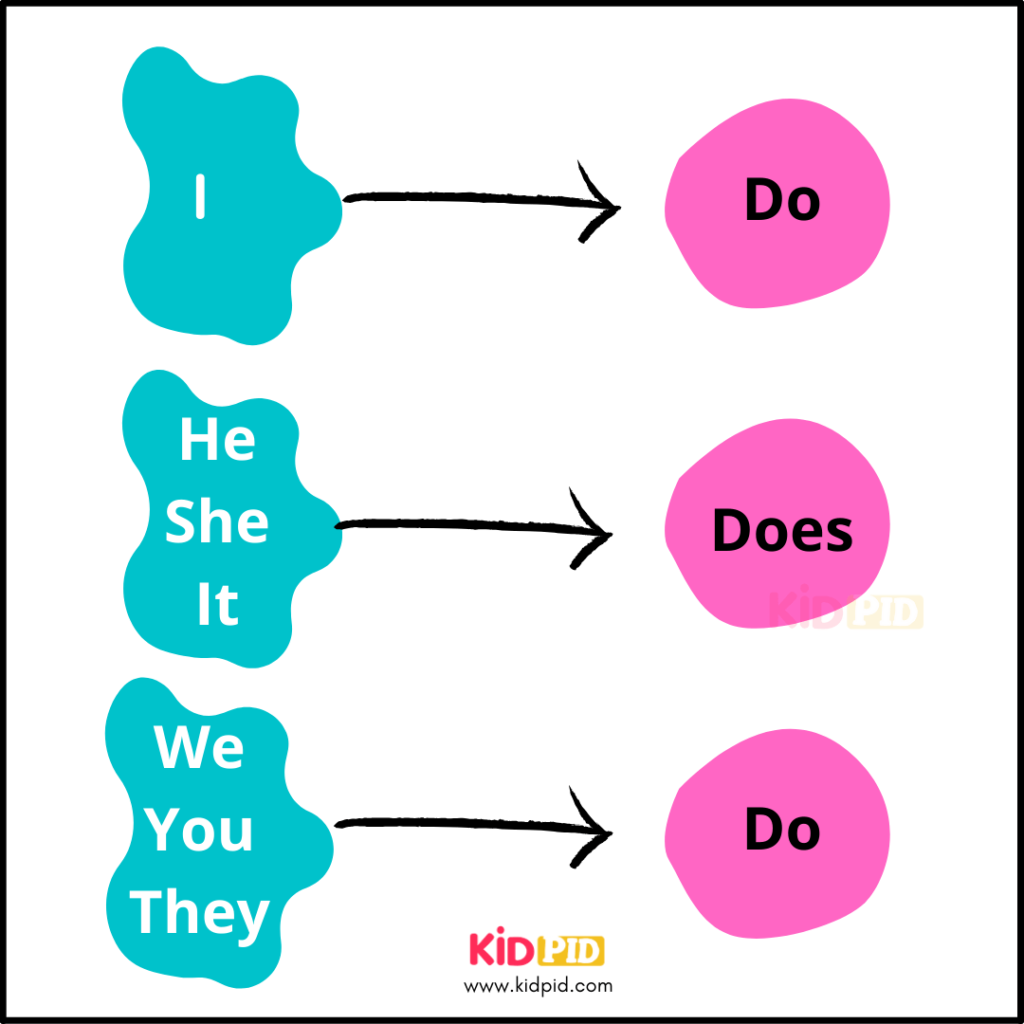
Master 'do vs does' with this easy guide
Learn the rules, see real examples, and practice with our comparison chart ‘do,’ ‘does,’ and ‘did’ are versatile auxiliary verbs with several key functions in english grammar They are primarily used in questions, negations, emphatic statements, and short answers. Understanding when to use “do” and “does” is key for speaking and writing english correctly