Unlock Now your_woman01 onlyfans curated playback. Without any fees on our content platform. Experience the magic of in a massive assortment of shows unveiled in 4K resolution, tailor-made for superior viewing viewers. With fresh content, you’ll always stay updated. Discover your_woman01 onlyfans tailored streaming in high-fidelity visuals for a truly enthralling experience. Enroll in our community today to watch unique top-tier videos with no charges involved, no need to subscribe. Receive consistent updates and discover a universe of one-of-a-kind creator videos intended for premium media buffs. Make sure to get unseen videos—rapidly download now! Indulge in the finest your_woman01 onlyfans exclusive user-generated videos with vivid imagery and curated lists.
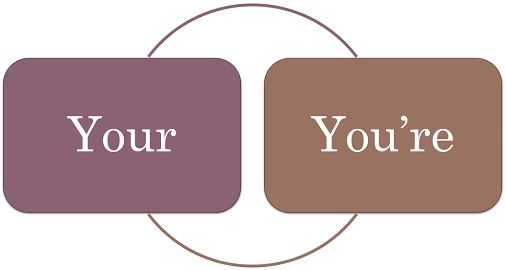
Among the most common mistakes when writing—especially when writing something quickly like an email or text—is using you’re and your incorrectly To use you're and your correctly, remember that you're is short for you are, and your is used to show ownership, like in your house. if you don't know which one to use, try writing you are instead. In this article, we’ll help you remember which one to use every time so that when it comes to choosing your or you’re, you’re your own best resource.
"You're" or "Your"?
The meaning of your is of or relating to you or yourself or yourselves especially as possessor or possessors, agent or agents, or object or objects of an action. This lotion is for your head only. In this video, you’ll learn more about when to use your and you're correctly in american english
Learn the definitions and differences between “your” and “you’re,” and how to use them in sentences correctly—with examples.
You're and your are easy to confuse Your means belonging to you You're is a contraction, and your is a possessive determiner 'you're welcome' means you are welcome
'your welcome' mean the welcome of you. Your pronoun (belonging to you) add to word list belonging to or connected with the person or people being spoken to The possessive form of you: Your is the second person possessive determiner

Your can refer to one or more people.
Keep these distinctions in mind, and you’ll always be able to tell your and you’re apart If you’re ever stuck, just remember that the apostrophe indicates the connecting of two words into one to contract them (you are > you’re). Of, belonging to, or associated with you Your first taste of freedom
Belonging to or associated with an unspecified person or people in general The path is on your left heading north