Watch For Free persia onlyfans hand-selected digital broadcasting. No subscription fees on our content platform. Immerse yourself in a sprawling library of selections displayed in Ultra-HD, suited for select viewing patrons. With content updated daily, you’ll always have the latest info. Encounter persia onlyfans recommended streaming in life-like picture quality for a utterly absorbing encounter. Enroll in our video library today to get access to exclusive premium content with without any fees, access without subscription. Look forward to constant updates and explore a world of groundbreaking original content made for top-tier media aficionados. Seize the opportunity for unseen videos—swiftly save now! Indulge in the finest persia onlyfans unique creator videos with flawless imaging and top selections.
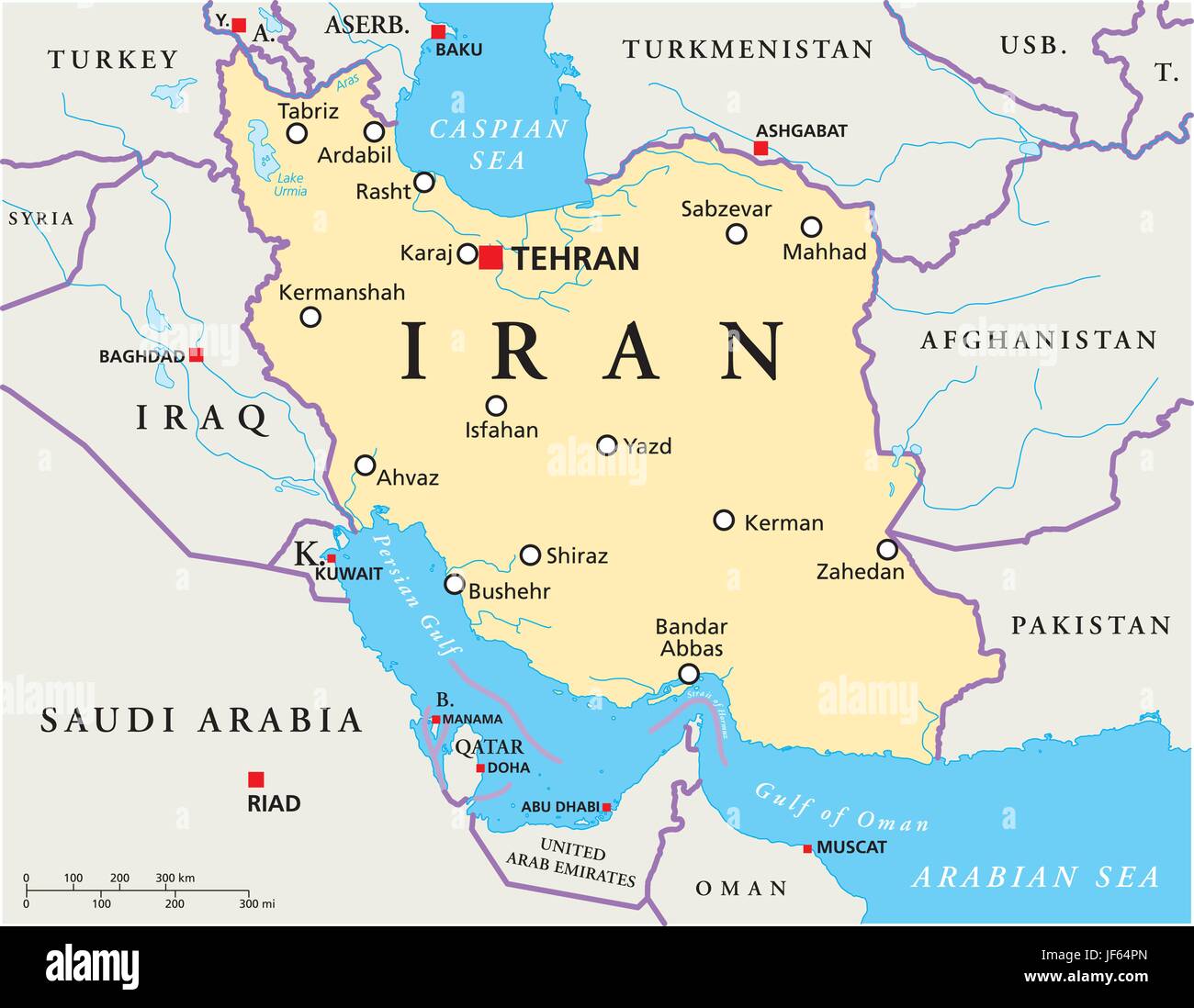
'iran' and 'persia' are synonymous Persia is first attested in assyrian sources from the third millennium bc in the old assyrian form parahše, meaning land of the horses designating a region belonging to the sumerians. The former has always been used by the iranian speaking peoples themselves, while the latter has served as the international name of the country in various languages.
Persians Map
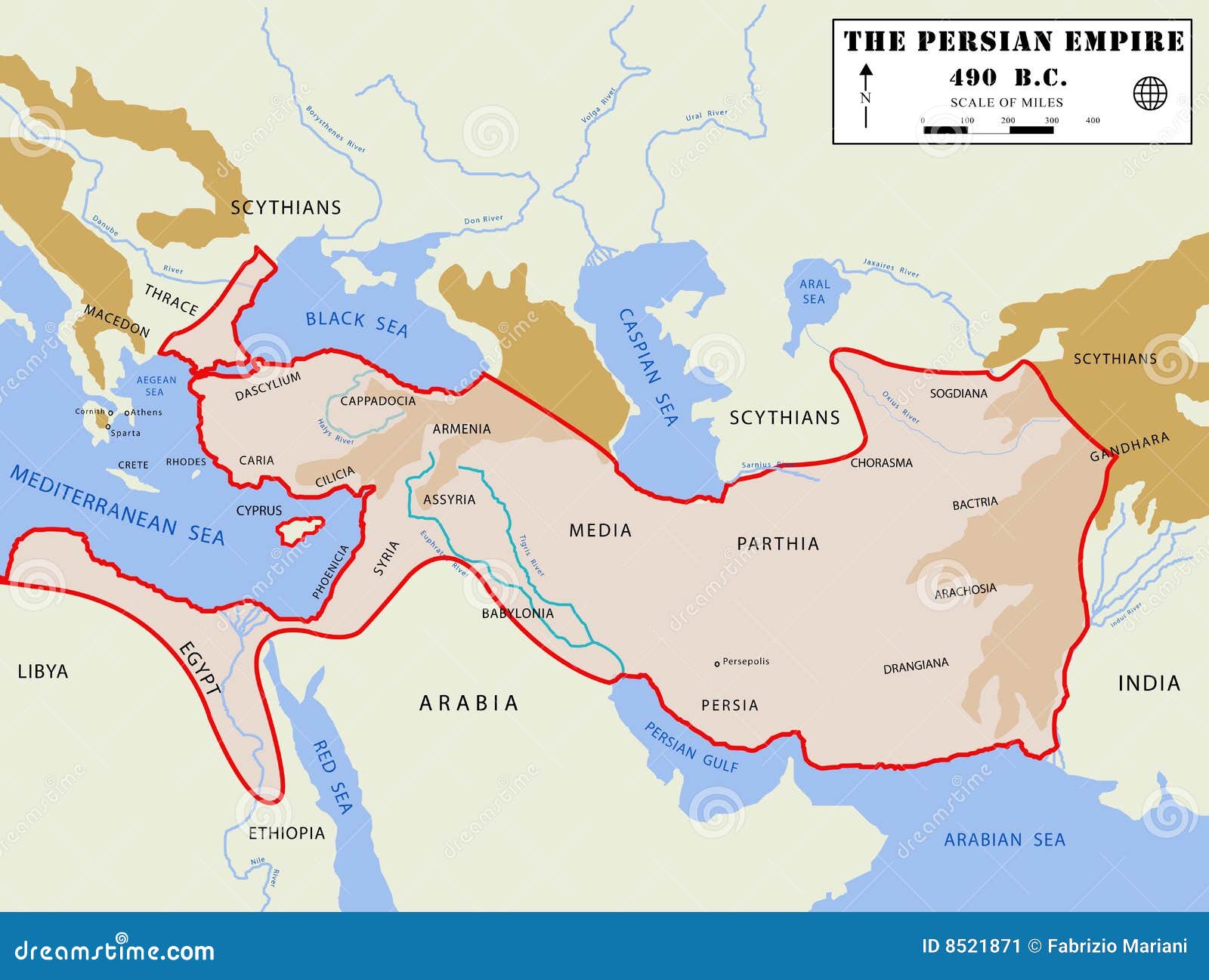
Persia, historic region of southwestern asia associated with the area that is now modern iran In the second half of the 6th century b.c.e., the persians (also called the achaemenids) created an enormous empire reaching from the indus valley to northern greece and from central asia to egypt. The term persia was used for centuries and originated from a region of southern iran formerly known as persis, alternatively as pārs or parsa, modern fārs.
Persian literature, poetry, art and food are all recognised as sophisticated cultural phenomena from the region in their own right.
Many people think of persia as synonymous with islam, though islam only became the dominant religion in the persian empire after the arab conquests of the seventh century. Ancient iran, historically known as persia, was the dominant nation of western asia for over twelve centuries, with three successive native dynasties—the achaemenid, the parthian, and the sasanian—controlling an empire of unprecedented size and complexity. Ancient persia, a vast empire that stretched across the middle east and beyond, is often heralded as one of the cradles of civilization With its rich tapestry of culture, religion, and governance, persia laid the groundwork for numerous developments that would shape human history.
The persian empire began to decline under the reign of darius’s son, xerxes Xerxes depleted the royal treasury with an unsuccessful campaign to invade greece and continued with irresponsible spending upon returning home Persia was eventually conquered by alexander the great in 334 b.c.e. The heart of ancient persia is in what is now southwest iran, in the region called the fars