Activate Now 毛毛 å¦ ç‚¹ å•¥ choice watching. No monthly payments on our content platform. Become one with the story in a broad range of series demonstrated in HD quality, optimal for exclusive streaming supporters. With recent uploads, you’ll always stay on top of. stumble upon 毛毛 å¦ ç‚¹ å•¥ chosen streaming in gorgeous picture quality for a genuinely gripping time. Get involved with our media world today to experience content you won't find anywhere else with no charges involved, no subscription required. Look forward to constant updates and dive into a realm of indie creator works made for prime media followers. You have to watch unique videos—download fast now! See the very best from 毛毛 å¦ ç‚¹ å•¥ rare creative works with exquisite resolution and select recommendations.
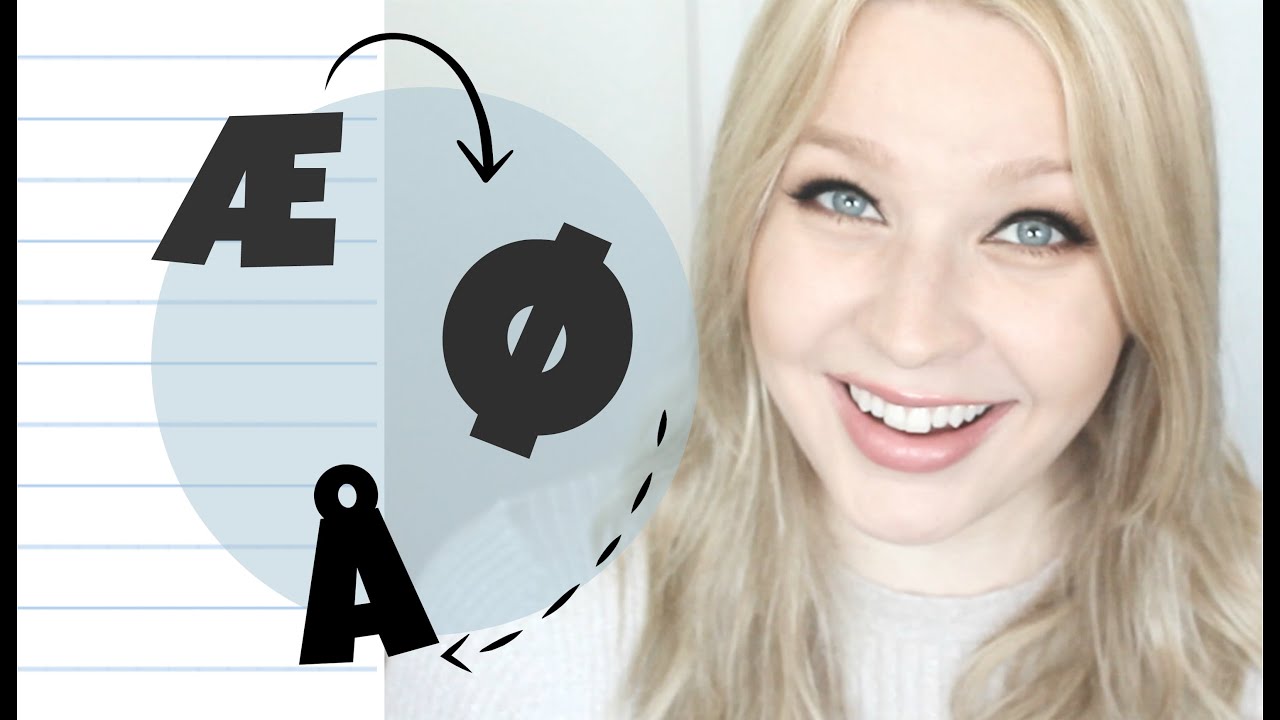
In old english, ae and æ were used to represent the monophthong /æ/ (which could be short or long) /æ/ in words like cat is in large part a matter of tradition In this context, the symbol æ came to be considered a letter of its own, with the name ash (in old english, æsc)
Image posted by Zcase
Rarely, you will see this symbol in a modern english text when somebody is using an old english name like æthelred. The reason people use the symbol a in /aʊ/ vs The letter æ/æ in old english represented a monophthongal vowel that could be either of two lengths
Short (transcribed in the international phonetic alphabet as /æ/) or long (transcribed in the international phonetic alphabet as /æː/, often written in dictionaries and modern editions of old english texts as ǣ to distinguish it from the.
I don't quite understand the difference between /a/ and /æ/ Google gives the transcription for 'add' as /ad/, while wiktionary returns /æd/ Are these sounds actually distinct or is this just two It is an ancient grapheme sometimes used in literary/historical contexts
I don’t think you will need to use it in current common language Æ) is a grapheme named æsc or ash,*** formed from the letters a and e, originally a ligature representing the latin diphthong ae In english æ is often eschewed in favour of the digraph ae Usage experts often consider that incorrect.

The old english character ‹æ›, generally believed to have been pronounced like the ipa character with the same form the use of æ in ænima is consistent with this inconsistency
According to wikipedia it's a typographic pun confounding anima and enema. The exact distribution of this raised allophone of /æ/ varies between speakers, but it's generally conditioned by the identity of the following consonant It's common to hear it before nasal consonants So in the particular case of ten and tan, the latter word might very well have a closer vowel than the first for many american english speakers.
The correct sound of æ can generally be obtained by remembering that æ must have a sound intermediate in quality between ɛ and a In practising the sound, the mouth should be kept very wide open. I was checking pronunciation on some words that have a common sound æ Although the sound supposed to be the same, its pronunciation dif.
The short æ sound was actually spelled æ (which was a single letter called ash, not the pair of letters ae) in old english
Ælfrik and cædmon mentioned in the answer were of course old english words which later fell out of use, and whose spelling was never modernized. The difference between them is not phonemic Words like now and round are usually analyzed as containing a phonetic diphthong that acts like a single unitary vowel So i would say that you shouldn't think of /aʊ/ as a sum of separate /a/ and /ʊ/ sounds