Claim Your Access how does body cam footage get leaked elite live feed. No wallet needed on our visual library. Experience the magic of in a extensive selection of films brought to you in excellent clarity, the ultimate choice for high-quality viewing connoisseurs. With the latest videos, you’ll always be ahead of the curve. See how does body cam footage get leaked themed streaming in high-fidelity visuals for a genuinely gripping time. Become a part of our streaming center today to view private first-class media with zero payment required, no membership needed. Be happy with constant refreshments and dive into a realm of original artist media crafted for top-tier media followers. Act now to see specialist clips—download immediately! Enjoy top-tier how does body cam footage get leaked uncommon filmmaker media with sharp focus and staff picks.
He/she/it form of do 2 For example, “i do like pizza” or “they do not want to go.” on the other hand, use “does” with the third person singular pronouns He/she/it form of do 3
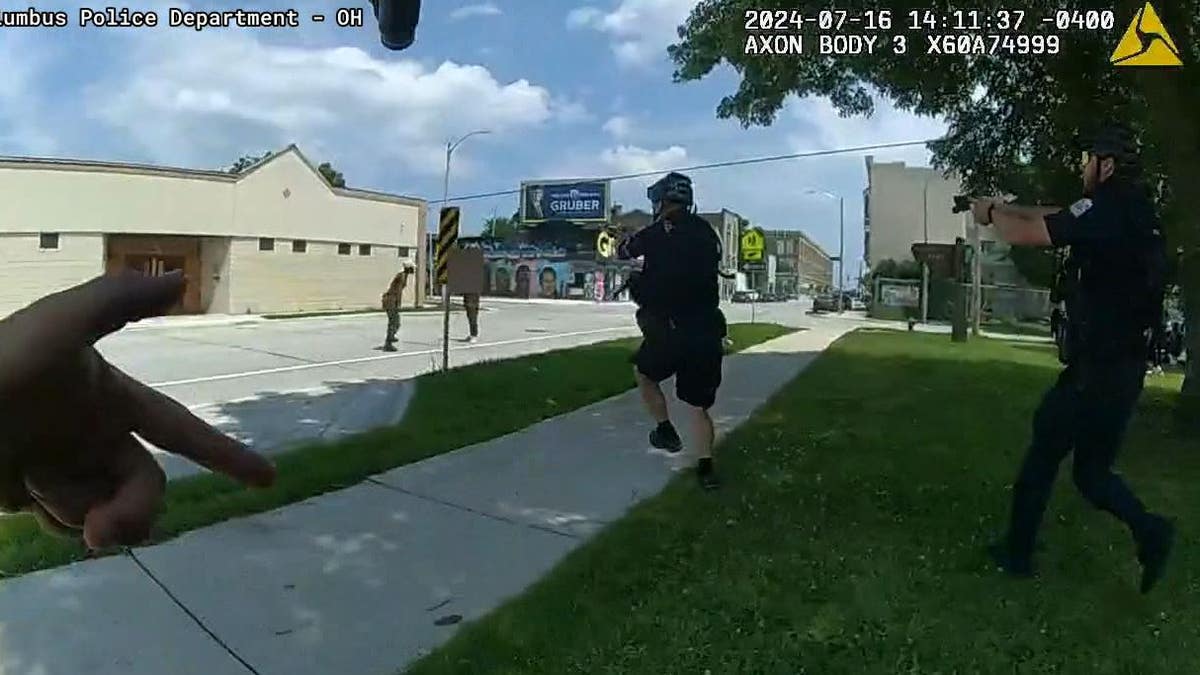
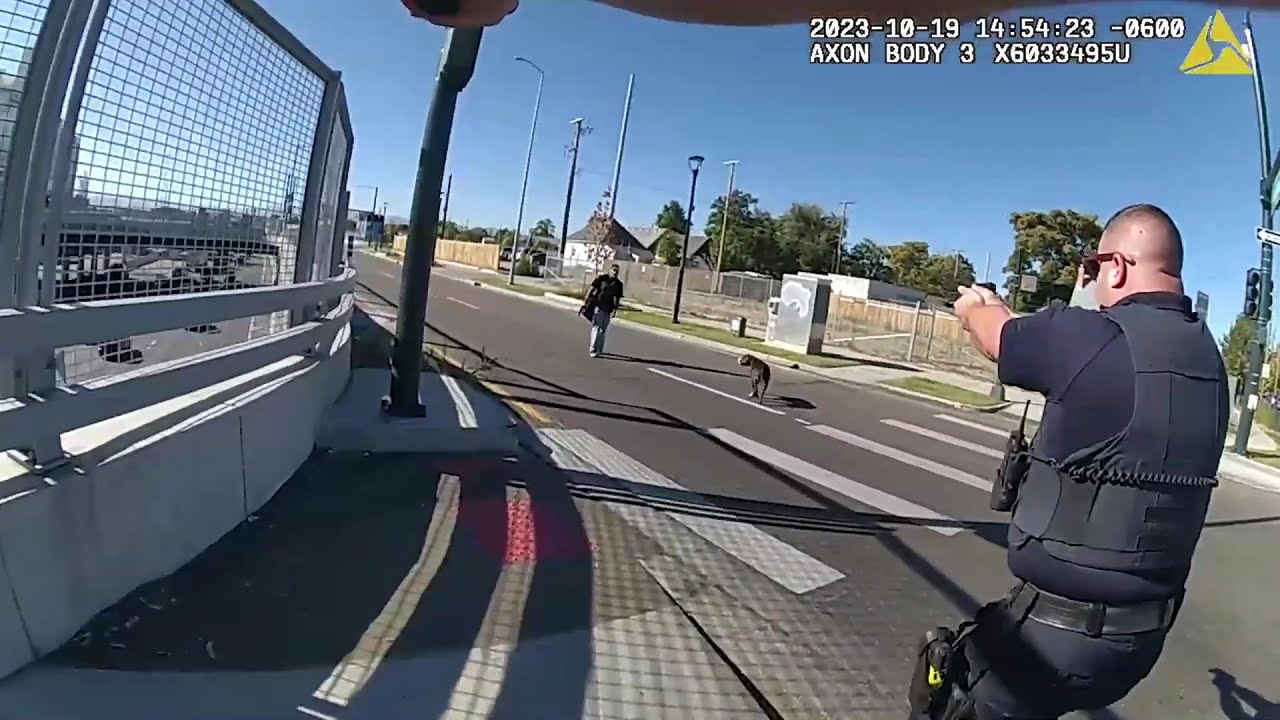
RAW POLICE BODY CAM FOOTAGE: Body Cam Video Of Officer Involved
Present simple of do, used with he/she/it Use “do” with the pronouns i, you, we, and they See examples of does used in a sentence.
Both do and does are present tense forms of the verb do
Which is the correct form to use depends on the subject of your sentence In this article, we’ll explain the difference between do and does, cover when and how to use each form, and provide examples of how they’re used in sentences. Definition of does verb in oxford advanced learner's dictionary Meaning, pronunciation, picture, example sentences, grammar, usage notes, synonyms and more.
Does in british english (dʌz ) verb (used with a singular noun or the pronouns he, she, or it) a form of the present tense (indicative mood) of do 1 See our notes about the difference between do, does, did and done If you found this grammar guide about do and does in english useful, let others know about it. Master 'do vs does' with this easy guide

Learn the rules, see real examples, and practice with our comparison chart
‘do,’ ‘does,’ and ‘did’ are versatile auxiliary verbs with several key functions in english grammar They are primarily used in questions, negations, emphatic statements, and short answers Each category has specific rules and structures that must be followed to ensure grammatical accuracy. Understanding when to use “do” and “does” is key for speaking and writing english correctly