Get Started eliza.deniz nude superior on-demand viewing. Zero subscription charges on our content hub. Get captivated by in a comprehensive repository of curated content offered in 4K resolution, tailor-made for choice streaming mavens. With up-to-date media, you’ll always be in the know. Witness eliza.deniz nude expertly chosen streaming in life-like picture quality for a truly enthralling experience. Enroll in our digital space today to access private first-class media with with zero cost, no subscription required. Be happy with constant refreshments and journey through a landscape of rare creative works built for high-quality media buffs. Don't forget to get never-before-seen footage—rapidly download now! Enjoy top-tier eliza.deniz nude unique creator videos with vibrant detail and exclusive picks.
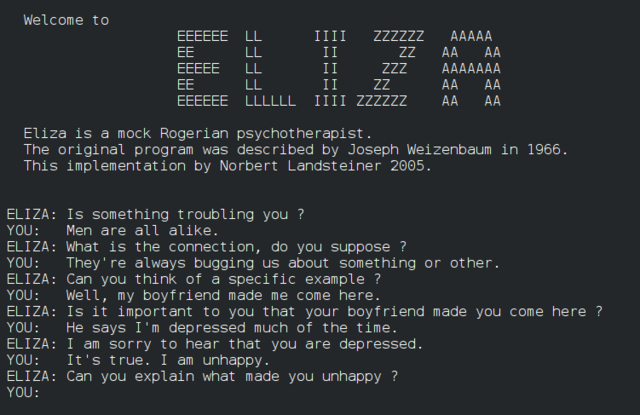
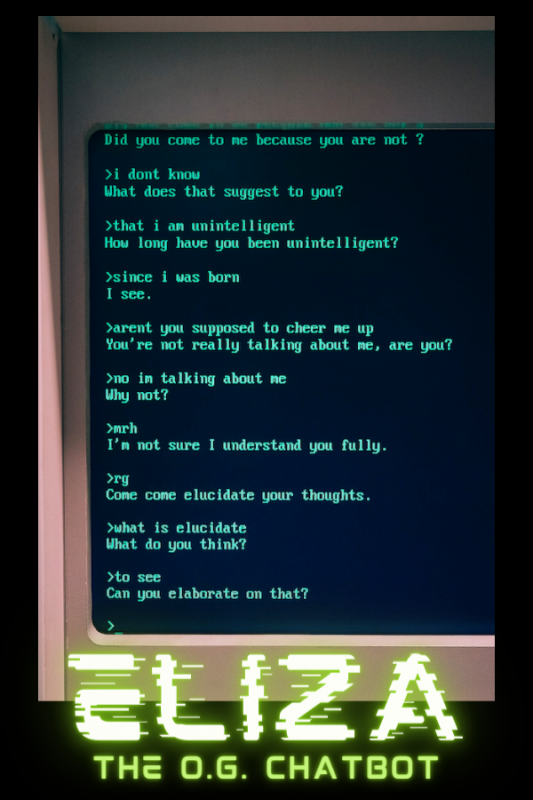
Look up eliza in wiktionary, the free dictionary. The chatbot was created by mit scientist joseph weizenbaum in 1966 and named after the fictional character eliza doolittle from george bernard shaw’s 1913 play pygmalion. Eliza is a computer program that emulates a rogerian psychotherapist
ELIZA - Wikipedia
Just type your questions and concerns and hit return Eliza was named after eliza doolittle, the fictional character in george bernard shaw's play pygmalion. When the original eliza first appeared in the 60's, some people actually mistook her for human.
Using dusty printouts from mit archives, these software.
Eliza was one of the first chatterbots (later clipped to chatbot) It was also an early test case for the turing test, a test of a machine's ability to exhibit intelligent behavior equivalent to, or indistinguishable from, that of a human. Eliza is a natural language conversation program described by joseph weizenbaum in january 1966 [1] It features the dialog between a human user and a computer program representing a mock rogerian psychotherapist.
Eliza is a computer program developed in 1966 by joseph weizenbaum that simulates conversation using pattern matching and substitution methodology It was designed to mimic a rogerian psychotherapist by rephrasing users’ input as questions and statements, giving the illusion of understanding. Eliza is a computer program created in 1966 by joseph weizenbaum, a computer scientist at the massachusetts institute of technology (mit)